TRPG Worldbuilding Guide — How to Build a World Your Players Can Actually Inhabit
A practical guide to designing TRPG worlds from a player-first perspective: the three-layer prep framework, living economies, religion and NPCs, and using AI to accelerate session prep.
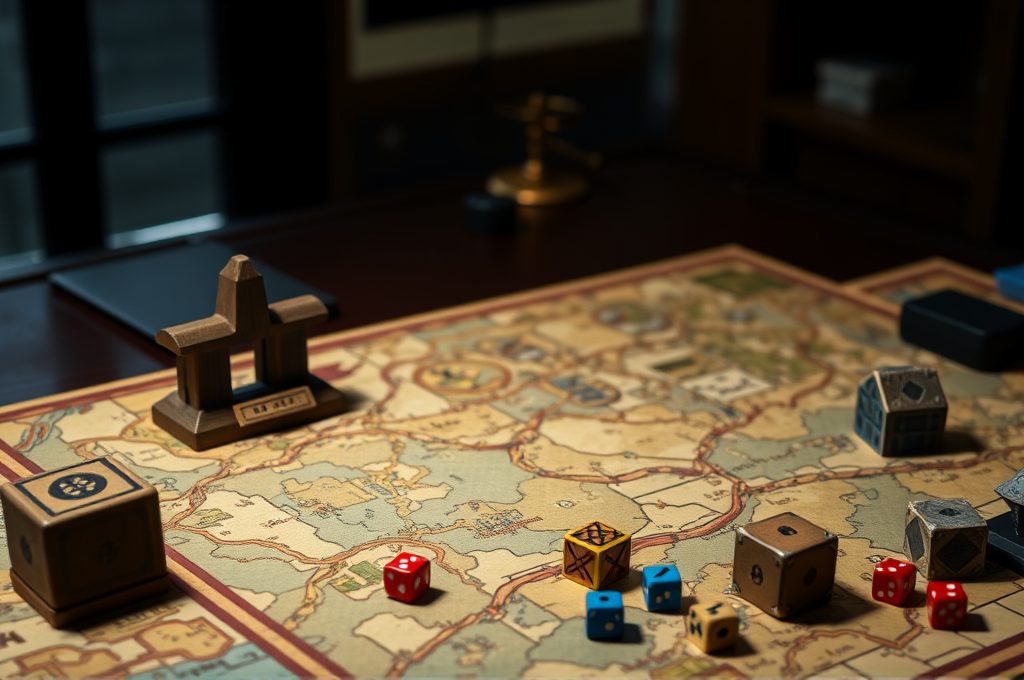
There is a fundamental difference between building a world for a novel and building one for a tabletop RPG. That difference comes down to one word: players move.
In a novel, the author controls everything. In a TRPG, players make choices you never anticipated. The party that was supposed to walk the road decides to cut through the mountains. The group meant to seek an audience with the king chooses to assassinate him instead. When you build a setting as a GM, the starting point has to be this truth: you are constructing a world that players will inhabit, not a stage for a predetermined story.
The World Exists for Your Players, Not Your Plot
The most common worldbuilding failure is designing a setting to make a specific plot work. "I'll make it impossible to travel off the main road so the party reaches the capital" — this is a world enslaved to story convenience. Players sense the rails, even unconsciously, and it breaks immersion.
Instead, start by asking: *What do the inhabitants of this world want?* Farmers worry about this year's harvest. Merchants are frustrated by bandit activity on the trade routes. Nobles are anxious about diplomatic tension with the neighboring kingdom. When you stack up these desires and problems — things the *world's people* are wrestling with — wherever the players turn, they find something to grab onto.
The demo world Aetheria on Worldseed is a strong example of this principle. The historical event known as the Great Fall casts its shadow over every aspect of the current political, economic, and religious landscape. No matter which direction players investigate, they encounter ripples from that single event. This kind of "core problem at the heart of the world" is the single most important element in TRPG worldbuilding.
The Three-Layer Prep Framework
Trying to fully flesh out every detail of your world before the first session wastes enormous time — and most of it will never be touched. Instead, vary the depth of your preparation by layer.
Layer One: Places and People the Session Will Definitely Touch Build these thoroughly. Every NPC who will appear needs a name, a motivation, a secret, and a distinctive speech pattern. Every location needs sensory details — what it looks like, smells like, sounds like. Anything the players might ask about in tonight's session should be ready to answer.
Layer Two: Adjacent Possibilities These are the places the party *might* go and the NPCs they *might* meet. Sketches are enough here. "Dwarven blacksmith, heavy drinker, lost an arm in the war" — that's sufficient. When players actually encounter him, you can improvise the depth.
Layer Three: The World's Structural Framework The shape of the continent, the relationships between nations, the broad arc of history. Detail matters less here than consistency. Keep the major causal relationships clear — why this war started, why this dynasty rose — and leave room to add specifics later.
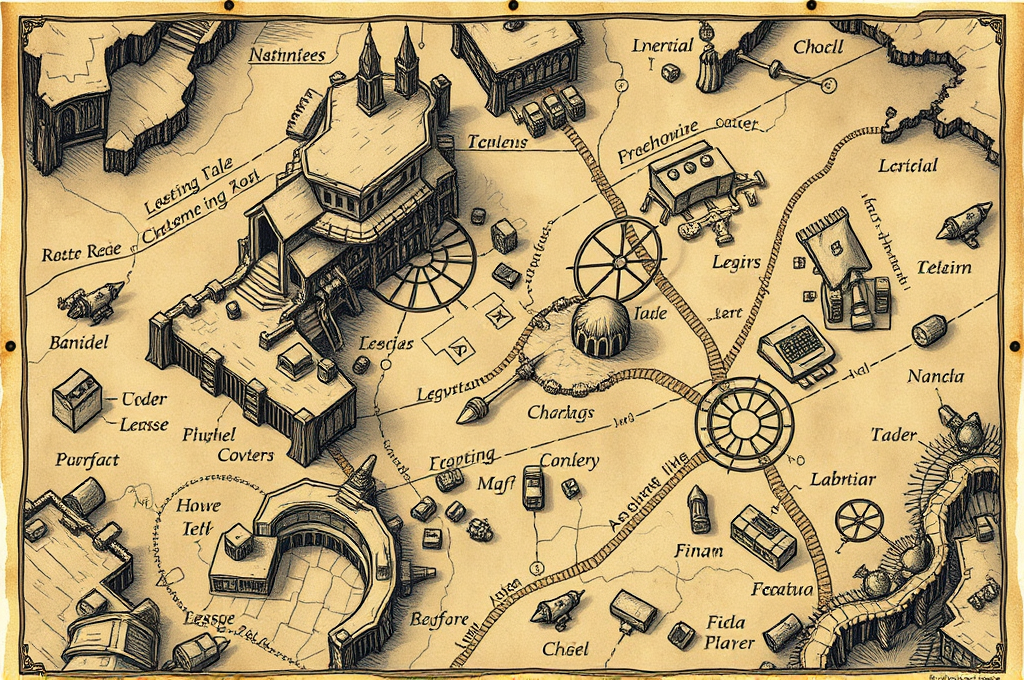
A Living Economy Makes the World Feel Real
Economy is one of the most overlooked tools in a GM's arsenal, yet it's one of the most effective. If you can answer "what sells here," "what does a farmer earn in a day," and "what do mercenaries charge," then every time players buy, sell, or negotiate, the world comes alive.
The critical element is scarcity and distribution channels. If a magic item can be purchased in a remote village, the world's logic collapses. But a setting in which a specific ore is only found in a particular mountain range, and two nations are grinding against each other over access to it, generates multiple scenario hooks at once.
Aetheria's Ether Refining is the backbone of the world's economy. The divide between city-states that command this technology and regions that don't, the political friction over raw ether crystals — this economic structure is rich material that a GM can mine for scenarios across an entire campaign.
Never Underestimate Religion
In a fantasy world, religion is not merely a source of magical power. It is the system that shapes a people's values, morality, understanding of death, and social norms. What do the people of this world believe? What do they fear? How do they understand dying? The answers to these questions determine how every NPC acts.
To avoid the clichéd "corrupt church run by evil priests," start by asking *why this religion came into being*. A community that survived a catastrophic natural disaster might develop a faith centered on harmony with nature. A people who have fought wars for generations might build a religion that glorifies the warrior's virtues. Religion and history are inseparable; treat them that way.
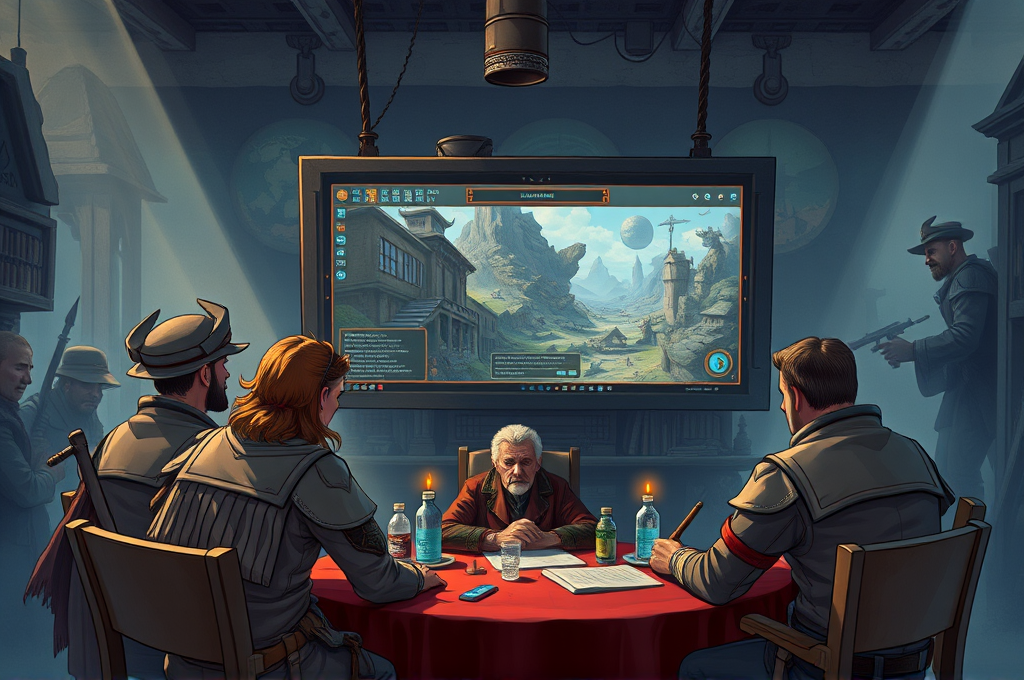
Giving Players the Power to Change the World
One of TRPG's deepest pleasures is the feeling that your choices *matter* — that the party has genuinely moved the world. Delivering this feeling requires the GM to think in advance: *if the players do X, the world responds Y.*
A simple technique: create three competing factions, each with something they want and something they fear. When the party helps one faction, the other factions react. This dynamic equilibrium gives players concrete evidence that their actions have weight.
Using AI to Accelerate Session Prep
Real session prep takes time. Designing Layers One through Three, building NPCs, sketching an economy, thinking through religion — doing all of that while holding down a full-time job is not realistic for most GMs.
Worldseed lets you accelerate this process through AI dialogue. Ask things like "give me three problems the merchant guild in this town is dealing with" or "what minor incidents might happen along this trade road," then take what the AI offers and filter it through your judgment. The goal isn't to have AI build your world — it's to find starting points faster and spend your creative energy on the choices only you can make.
NPC Craft: What Players Actually Remember
Players most vividly remember NPCs, not locations. But building every NPC in depth is impossible. The solution is to clearly separate *major* NPCs from *background* NPCs.
For every major NPC, prepare four things: name and visual (one phrase that creates an instant image), motivation (what do they want right now), secret (what the players don't know yet), and verbal habit (a distinctive phrase or topic they return to). With these four anchors, you can improvise anything unexpected.
Background NPCs need only a name and a single line. "Old harbor fisherman, former pirate, man of few words" is enough. Fill in the details if the players actually develop a relationship with them.
Building Time Into the World
The world doesn't pause while the party moves. Other events unfold whether the players engage with them or not. This "world in motion" is especially important in sandbox-style campaigns.
Keep three ongoing events in play at all times. Something like: "A tribal alliance is forming in the northern highlands." "A succession struggle has begun in the capital." "A mysterious plague is spreading through the southern port town." Even if the party never touches these threads, the passage of time changes them. Managing that change as GM creates the visceral sense that the world has its own clock.
The Canopy Islands in Aetheria demonstrate this principle. Trade route shifts, marriage negotiations between island lords, skirmishes over fishing rights — these ongoing events are what make the world feel inhabited.
Learning From Failed Sessions
No matter how carefully you build, players will find the gaps. Treat this not as failure but as feedback.
"Players went somewhere but there was nothing there" → add a setting detail that gives that place meaning. "An NPC's motivation felt unnatural" → deepen the historical backstory behind the motivation. "An economically impossible situation emerged" → revisit your distribution and pricing logic.
Every session, the world grows. The long-game secret to a campaign that stays rich over years is not to build a perfect world from the start, but to develop it in response to play.
Carry it into your world
Turn one idea from this article into a living part of your world
Name the world, choose a genre, and use AI to connect your first element to the rest of the setting.
This week's seed: “Magic works only when spoken aloud in front of a witness. Who becomes valuable in this world — and who is silenced?”
Free includes 20 AI messages per 24 hours. No card required.
Keep shaping the idea
Three guides connected by topic, craft, or worldbuilding method.
Three Stories Behind a Settlement Name
A practical worldbuilding exercise for giving one settlement three useful names: the terrain name, the ruler's official name, and the short name residents actually say. Includes a blank worksheet.
Read guide →A Faction That Outlives Its Founder
A practical worldbuilding exercise for making an organization continue after its founder is gone: define the work, shared resource, succession choice, and internal conflict. Includes a blank organization card.
Read guide →From Idea to Canon: One Place, Three Decisions
A practical worldbuilding loop for separating AI suggestions, your revisions, and the setting you actually keep. Use a night harbor example and a Keep/Change/Leave open worksheet to turn one idea into usable canon.
Read guide →